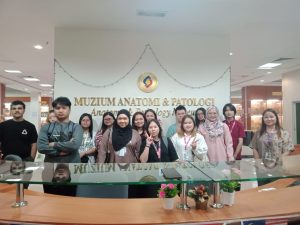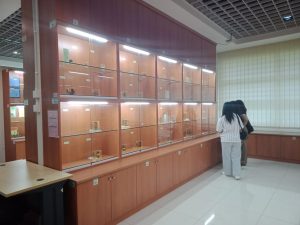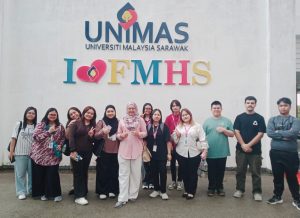
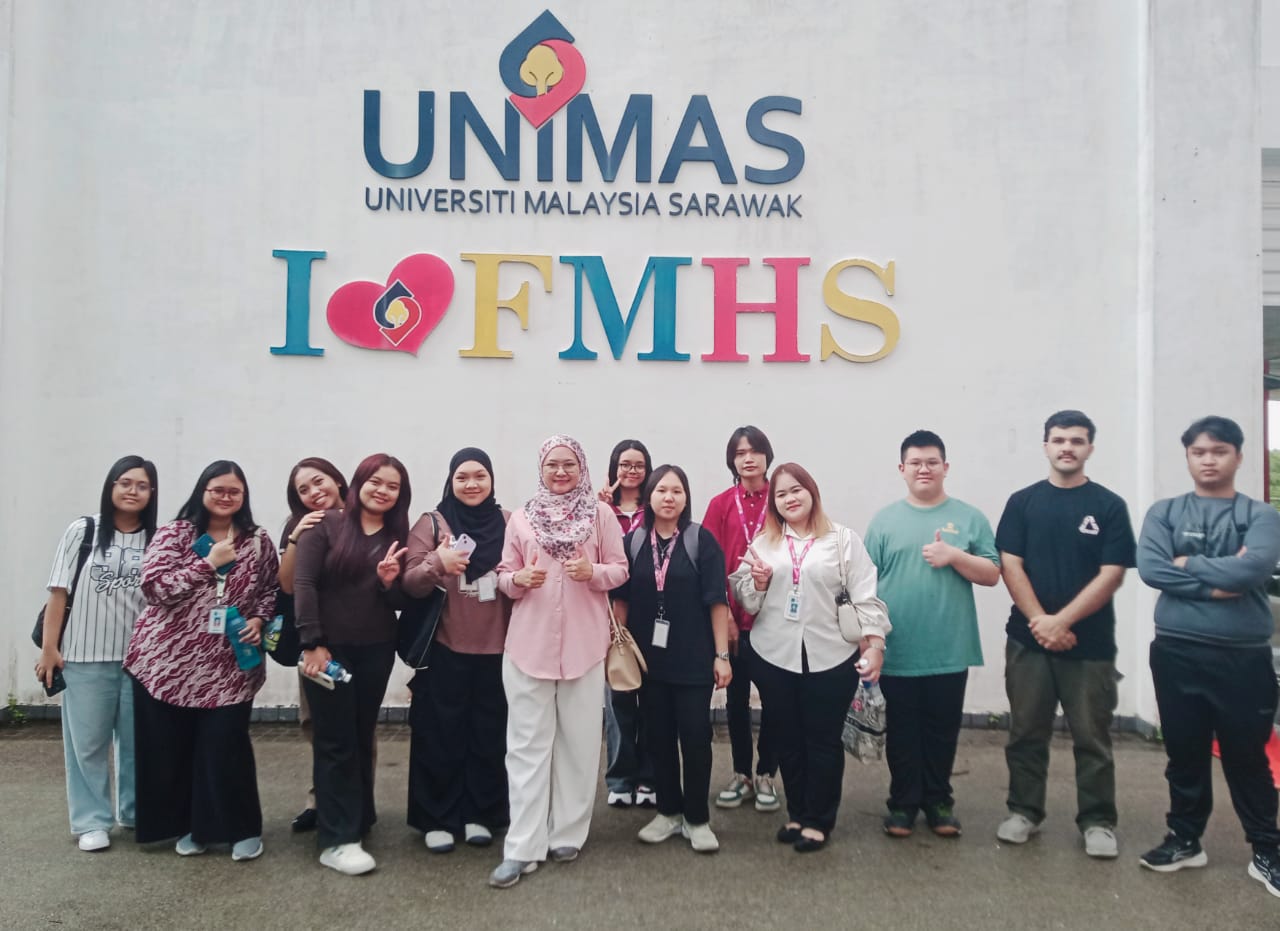
Students enrolled in the Anatomy and Physiology course at SEGi College Sarawak recently participated in an educational field trip to the Universiti Malaysia Sarawak (UNIMAS) Anatomy and Pathology Museum, gaining valuable hands-on exposure that enhanced their understanding of human anatomy and disease.
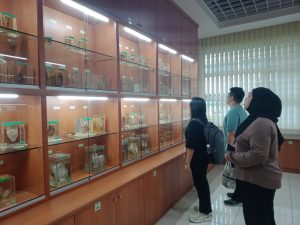
The visit was organised to complement classroom learning by allowing students to observe preserved human organs, skeletal specimens, and pathological samples first-hand. By exploring real anatomical structures and diseased tissues, students were able to bridge the gap between theoretical knowledge and practical understanding, reinforcing key concepts studied in the Anatomy and Physiology module.
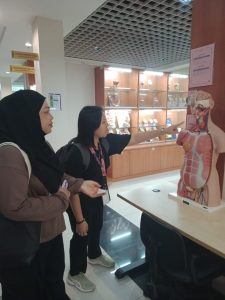
Upon arrival, students were welcomed by museum personnel and briefed on specimen preservation techniques, ethical considerations, and the role of pathology in medical science. The briefing highlighted the importance of respectful handling of anatomical specimens and the role such collections play in medical education and research.
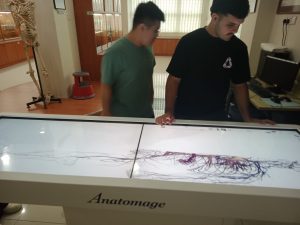
Students were then guided through different sections of the museum, where they examined both normal anatomical specimens and pathological organs. This comparative observation enabled students to better understand how diseases affect various organs and systems within the human body. Seeing real specimens allowed them to visualise structures that are typically studied through textbooks, diagrams, and digital slides.
Many students described the experience as eye-opening and impactful, noting that observing real specimens deepened their appreciation of the complexity of the human body and the importance of medical knowledge in understanding disease and health conditions.
The academic trip aimed to strengthen students’ observational skills, scientific curiosity, and interest in health-related fields. By providing meaningful real-world exposure, the visit supported the development of critical thinking and encouraged students to explore potential career pathways in healthcare, medical sciences, and related disciplines.
Overall, the visit to the UNIMAS Anatomy and Pathology Museum served as a valuable experiential learning opportunity that reinforced classroom knowledge while inspiring students to pursue a deeper understanding in the field of health sciences.
This activity supports the following United Nations Sustainable Development Goals:
SDG 3 Good Health and Well Being
SDG 4 Quality Education
SDG 9 Industry, Innovation and Infrastructure