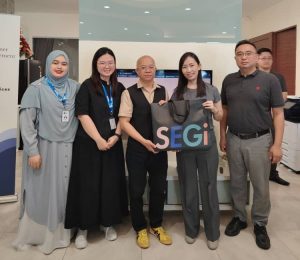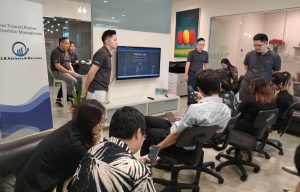
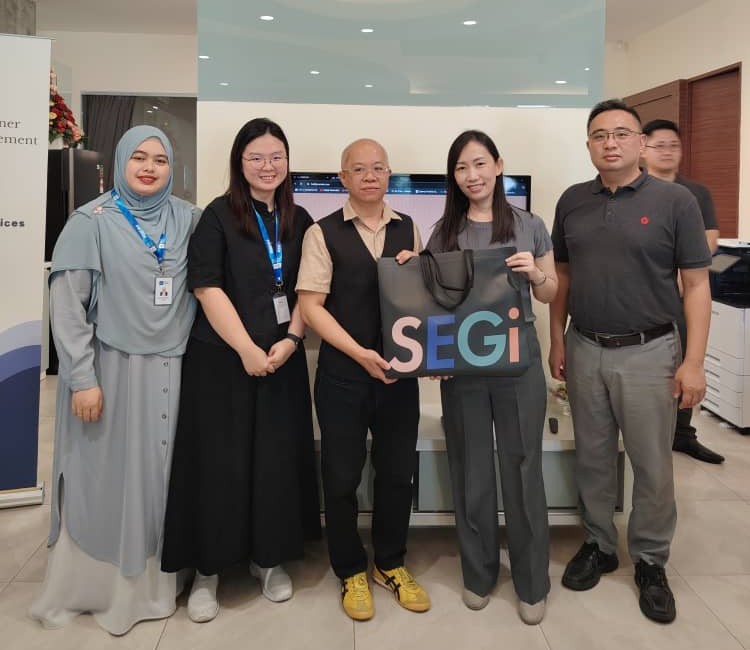
On 4 November 2025, the Faculty of Business, Accountancy and Law organised an industrial visit aimed at strengthening students’ practical understanding of financial awareness and responsible decision-making. Designed as an experiential learning initiative, the visit provided students with valuable industry exposure, allowing them to connect classroom concepts with real-world financial practices.
During the visit, students took part in a financial literacy sharing session conducted by industry professionals Mr Leonard, Mr Melvin and Mr Eric Lam. The session introduced students to the importance of developing sound financial habits from an early stage, recognising common financial scams and understanding the fundamentals of smart investing. Key discussions focused on identifying scam warning signs, the long-term consequences of poor financial decisions, and the importance of making informed, ethical and cautious financial choices. Students were also encouraged to cultivate personal responsibility, critical thinking and continuous learning as essential elements of long-term financial well-being.
To reinforce learning and enhance engagement, students participated in an interactive quiz that covered scam awareness, basic investment concepts and simple trading principles. This activity served as a formative learning tool, encouraging students to apply concepts such as risk and return, common investment myths and typical scam tactics in a fun yet structured environment. Immediate feedback helped clarify misconceptions, strengthen understanding and build confidence in using basic financial terminology.
Throughout the session, students demonstrated strong engagement by posing thoughtful questions related to personal financial safety, investment decision-making and strategies for avoiding financial fraud. This interaction reflected a growing level of financial awareness and curiosity, as well as an appreciation for the relevance of financial literacy in everyday life.
The visit also highlighted the importance of early financial education and practical exposure in preparing students for future financial independence. Students gained a clearer understanding of how financial literacy supports responsible money management, informed investing and ethical financial behaviour, both personally and professionally.
Overall, the industrial visit was a meaningful and enriching experience that enhanced students’ financial awareness, critical thinking and confidence in managing financial matters. The initiative reflects our continued commitment to experiential learning and industry relevance, while supporting the development of essential life skills.
This activity supports the following United Nations Sustainable Development Goals:
SDG 4 Quality Education