Understanding inclusive education requires more than theory. It demands real-world exposure to how support systems function, how individuals are empowered, and how communities come together to create meaningful change.
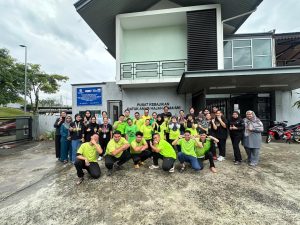
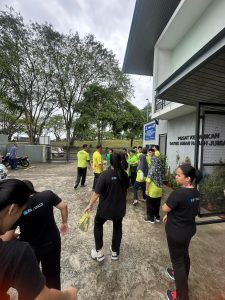
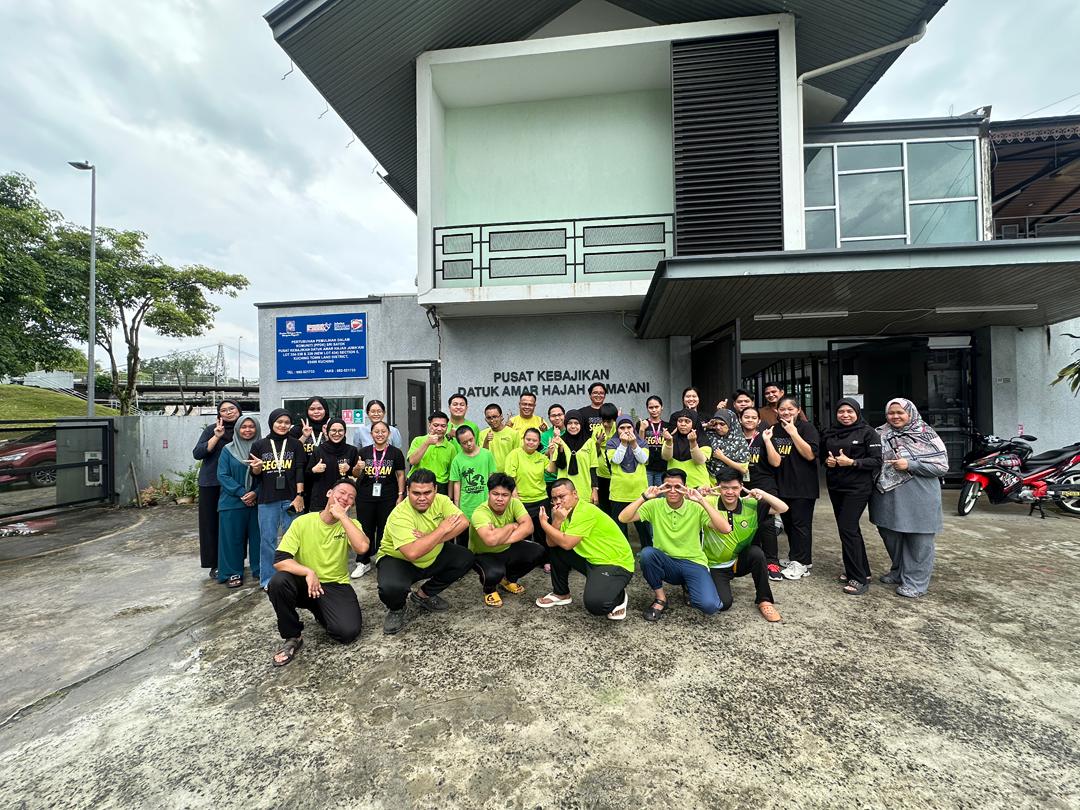
Students from the Bachelor of Education in Special Needs programme at SEGi College Sarawak gained this perspective during a visit to PDK Sri Satok, a community-based rehabilitation centre dedicated to supporting individuals with disabilities. The experience offered a grounded understanding of how education, therapy, and community engagement intersect beyond traditional classroom settings.
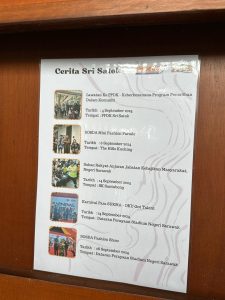
Held on 9 March 2026, the visit was part of an effort to strengthen students’ understanding of Community-Based Rehabilitation and its role in empowering individuals at the community level. More importantly, it translated academic concepts into lived realities, allowing students to connect what they learn with what truly happens on the ground.
At the centre, students observed a wide range of services that contribute to holistic development. These included physiotherapy and speech therapy, literacy-focused educational programmes, and life skills training designed to promote independence. Vocational training initiatives highlighted how individuals are equipped with practical skills to generate income and participate actively in society. Family counselling and social inclusion activities further demonstrated that rehabilitation extends beyond individuals to include families and the wider community.
The learning outcomes from this visit were clear and impactful. Students developed a deeper appreciation of collaborative practice, recognising the importance of working alongside therapists, families, and community stakeholders. They gained insight into how to support individualised learning needs in real-world contexts, while also understanding the role educators play in advocating for inclusion and accessibility. Just as importantly, the experience strengthened their communication, empathy, and adaptability, qualities that are essential in special needs education.
This exposure also reframed their understanding of education itself. It is not confined to classrooms or structured lessons, but extends into communities where meaningful development takes place. Future educators are not only teachers, but facilitators of independence, advocates for equality, and contributors to a more inclusive society.
Through initiatives like this, SEGi College Sarawak continues to prepare graduates who are not only academically equipped, but also socially aware and ready to make a tangible difference in the lives of others.
This activity supports the following United Nations Sustainable Development Goals:
SDG 4: Quality Education
SDG 10: Reduced Inequalities