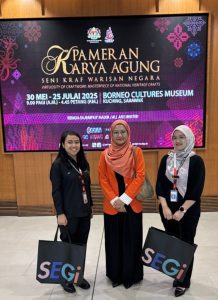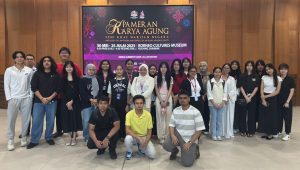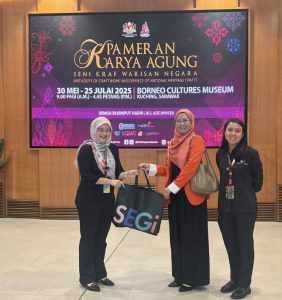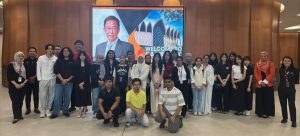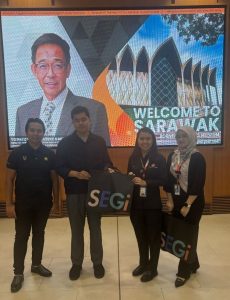
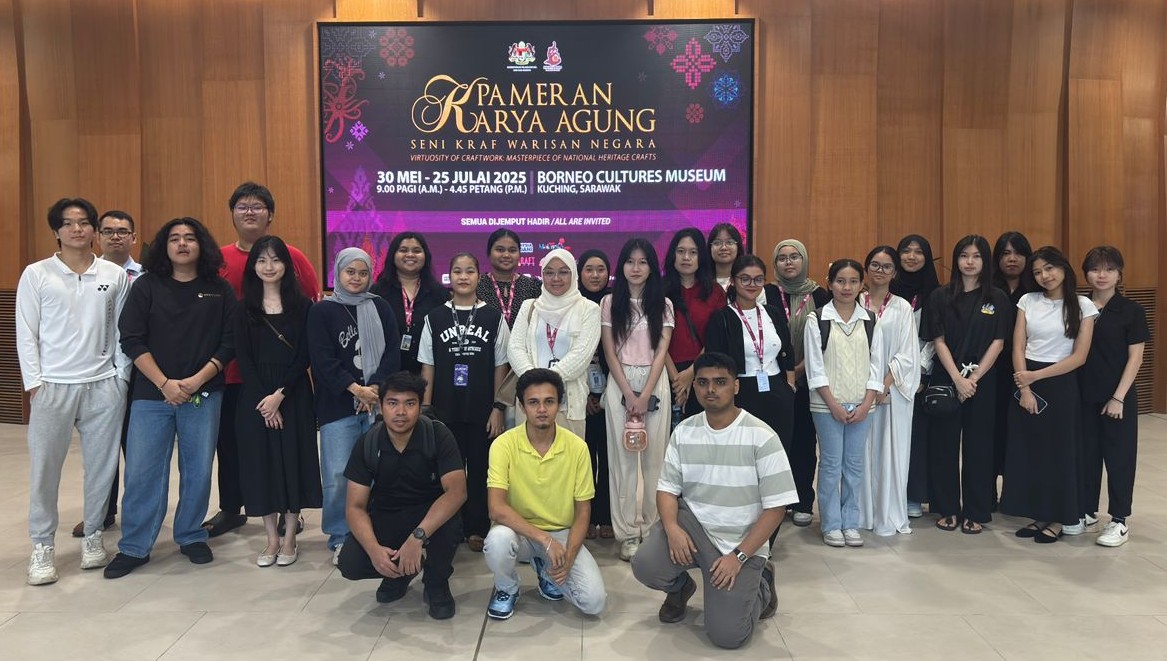
A visit to the Sarawak Cultural Museum offered students from the Appreciation of Ethics and Civilisation subject an immersive opportunity to see how culture, values and identity intersect in everyday life. What began as an academic requirement evolved into a meaningful experience that helped students understand ethics not as theory, but as something lived and expressed through the traditions of Sarawak’s diverse communities.
From the moment they entered the museum, students were surrounded by the heritage of the Iban, Bidayuh, Melanau, Malay, Chinese and other cultural groups. Each gallery revealed unique expressions of identity through traditional attire, musical instruments, longhouse structures and ceremonial artefacts. These displays highlighted how different communities have preserved their heritage while living in harmony, guided by shared principles of respect, cooperation and understanding.
The visit helped students see that ethics and civilisation are deeply connected to culture. Every practice and belief showcased in the museum carried lessons about responsibility, honesty, respect for others and the importance of community. It became clear that civilisation is not defined solely by modern development, but by how people uphold values that allow diverse groups to live peacefully together.
Engaging with artefacts, stories and historical displays also enhanced classroom learning. Instead of reading about ethics and cultural identity in textbooks, students were able to observe how these concepts take shape in real communities. The experience encouraged curiosity and reflection, reminding students that meaningful learning often happens beyond the four walls of a classroom.
The visit ultimately strengthened the students’ understanding of their role within a multicultural society. It encouraged them to appreciate the values that unite different communities and to recognise their responsibility in fostering respect and harmony. More importantly, it inspired them to continue learning with openness, empathy and a deeper awareness of the world around them.
This activity supports the following United Nations Sustainable Development Goals:
SDG 4 Quality Education
SDG 16 Peace, Justice and Strong Institutions