Corruption is rarely loud when it begins. More often, it grows quietly through silence, fear, and the belief that speaking up changes nothing. Yet every system of accountability depends on individuals willing to challenge that silence.
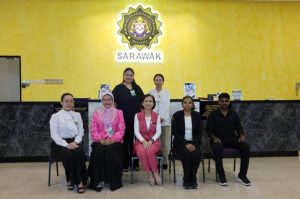
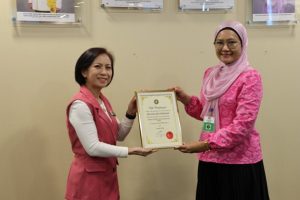
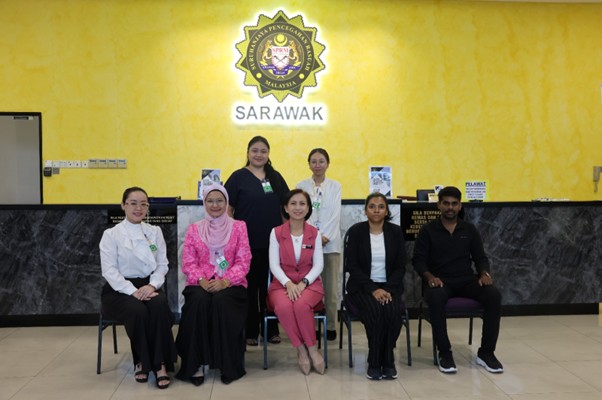
This reality became strikingly clear during an educational visit to the Malaysian Anti-Corruption Commission Kuching by lecturers and students from the Faculty of Business, Accountancy and Law at SEGi College Sarawak. More than a courtesy visit, the experience became a powerful exploration of how law, technology, and institutional safeguards work together to protect truth and uphold public trust.
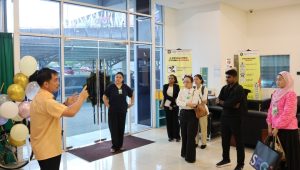
Held on 15 April 2026, the delegation was led by lecturers Hetty Susilawati binti Asmuni, Khalpanaasri Natarajan, and Flora Santi Tahil, alongside several law students. The visit formed part of an ongoing effort to bridge legal education with real-world enforcement practices, exposing students to the operational realities of anti-corruption governance.
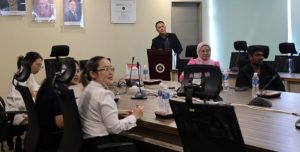
The session began with a briefing by enforcement officers, reminding visitors that the institution functions not as a symbolic space, but as an active centre of investigation and accountability. Students were then introduced to the internal systems and facilities used in handling investigations and witness protection procedures.
One of the most impactful segments of the visit was the exposure to the Video Interview Room. Equipped with surveillance and recording technology, the facility demonstrated how procedural fairness is preserved through transparency and documentation. Every interaction, statement, and movement is recorded to ensure accountability from both investigators and interviewees, reinforcing the importance of integrity within investigative processes.
Students also explored the line-up identification room, known as the “Bilik Kawad Cam”, where one-way observation systems are used to protect witnesses during identification procedures. The design itself reflected an important principle of justice: individuals who come forward with information should not fear intimidation or retaliation.
The visit further extended into discussions surrounding whistleblower protection, one of the most critical issues in modern governance and corporate accountability. Officers explained how the Whistleblower Protection Act 2010 safeguards individuals who disclose misconduct in good faith, including protection of identity, immunity from legal action, and safeguards against workplace retaliation.
For students, this was more than a lesson in legislation. It was a real-world demonstration of how legal frameworks translate into practical mechanisms that encourage ethical action and public accountability. The discussions also highlighted the serious legal consequences faced by those who retaliate against whistleblowers, reinforcing the message that integrity must be protected at every level.
Beyond technical and legal exposure, the visit encouraged students to reflect on broader questions surrounding ethics, responsibility, and courage. Anti-corruption efforts are not sustained by laws alone, but by individuals willing to speak, institutions willing to listen, and systems designed to protect both.
The intimate nature of the session allowed students to engage directly with enforcement officers through candid discussions and questions, creating meaningful dialogue between legal education and law enforcement practice. These interactions provided valuable insight into the realities of public service, investigative work, and the responsibilities carried by those entrusted with upholding justice.
Experiences like this remind students that the study of law extends far beyond textbooks and lecture halls. It lives within institutions, procedures, and the difficult decisions individuals make when confronted with wrongdoing.
Through initiatives like this, SEGi College Sarawak continues to cultivate graduates who are not only academically prepared, but also socially conscious, ethically grounded, and ready to contribute meaningfully to society.
This activity supports the following United Nations Sustainable Development Goals:
SDG 4: Quality Education
SDG 16: Peace, Justice and Strong Institutions
SDG 17: Partnerships for the Goals